
THE FOLK ART OF HALLOWEEN
The root of Halloween as a secular celebration in the United States proves interesting in light of the Christian and puritanical beginnings that have shaped much of this nation’s moral precepts. This annual holiday, celebrated on October 31, has penetrated American popular culture, and created an evolving and unique folk tradition that encompasses all regions of the country. A notable percentage of the population is involved in the creation of folk art by either creating costumes or domestic decorative displays.
The celebration of this holiday, rooted in ancient Celtic tradition, has evolved into a universal American experience in the twentieth century. The widespread celebration of this tradition by Americans of varying ethnic backgrounds is indicative of a remarkable and pervasive cultural diffusion. With the diversity of the population in the America, a quintessentially American folk art has flourished.
Traditional Halloween iconography includes witches, jack-o-lanterns, ghosts, goblins, black cats, and scarecrows. A vocabulary of imagery associated with Halloween appears in traditional forms of folk art. This includes decorative utilitarian objects, whirligigs and textiles. These forms are in addition to what is primarily considered in this essay: The material culture of Halloween costume and domestic decorative display.
WITCHES: THE ICONOGRAPHY
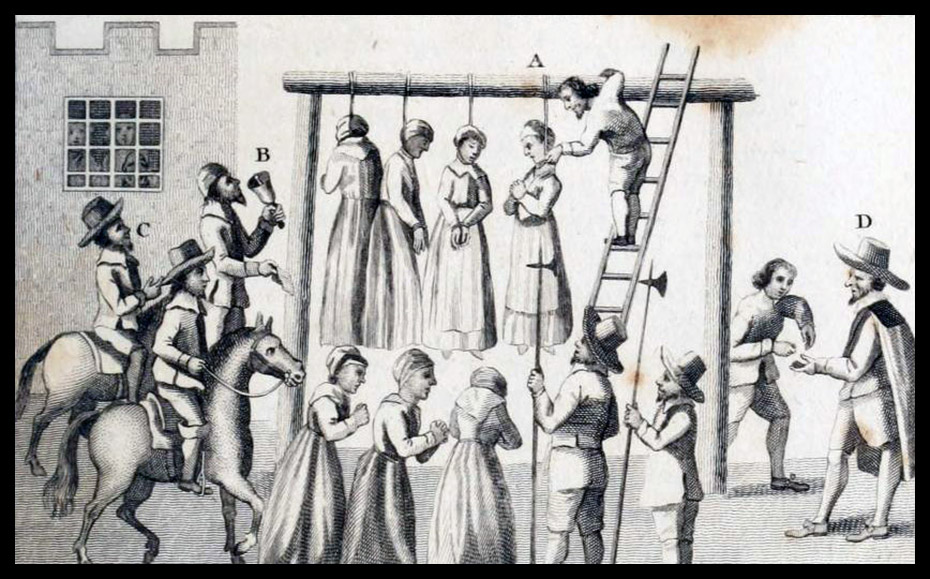 Image 1: Many Poor Women Imprisoned and Hanged For Being Witches from Ralph Gardiner’s England’s Grievance Discovered in Relation to the Coal-Trade: The Tyrannical Oppression of the Magistrates of Newcastle ; Their Charters and Grants ; the Several Tryals, Depositions, and Judgements Obtained against Them., a 1655 book on injustices in England’s coal industry, woodcut. The figures are identified as (A) Hangman (b) Bellman (C) Two fergeants (D) Witch-finder taking his money for his work.
Witches, a prominent iconography associated with Halloween, received notorious references in American history in the community of Salem, Massachusetts. Twenty people were sentenced to death, and four died in jail in Salem accused of being witches in such circumstances as seen in the eighteenth century reprint of the 1655 woodcut Many Poor Women Imprisoned and Hanged for Being Witches[i]. In March, 1692 the Salem Witch trials erupted into the persecution of community members living within the parish of Samuel Parris.[ii] While the belief in witches in America can be traced back to the Pilgrims, the root of witch persecution in America shows an early American view on witches.[iii] Children dressing as witches for Halloween today mark the transformation of the view of witches in America over four centuries. Ironically, Salem has capitalized on its peculiar history by merging it with the welcomed celebration of Halloween by turning the town into Halloween theme park for the month of October.
Another string of tradition of witches in American can be traced to when the Pennsylvania Dutch immigrated to America. They brought the notions that the presence of witches would ruin their agricultural prosperity. Barns and houses throughout Pennsylvania Dutch Country were painted with hexes, German for witches. In western Schuylkill County, the rosette, a flower petal-like symbol, is the most dominant design for Hex signs, while the five-pointed star is the most popular style in the eastern region of the county. The earliest printed visual reference to the hex on a barn is found in an 1875 print from Schuylkill County Centennial Atlas.[iv]
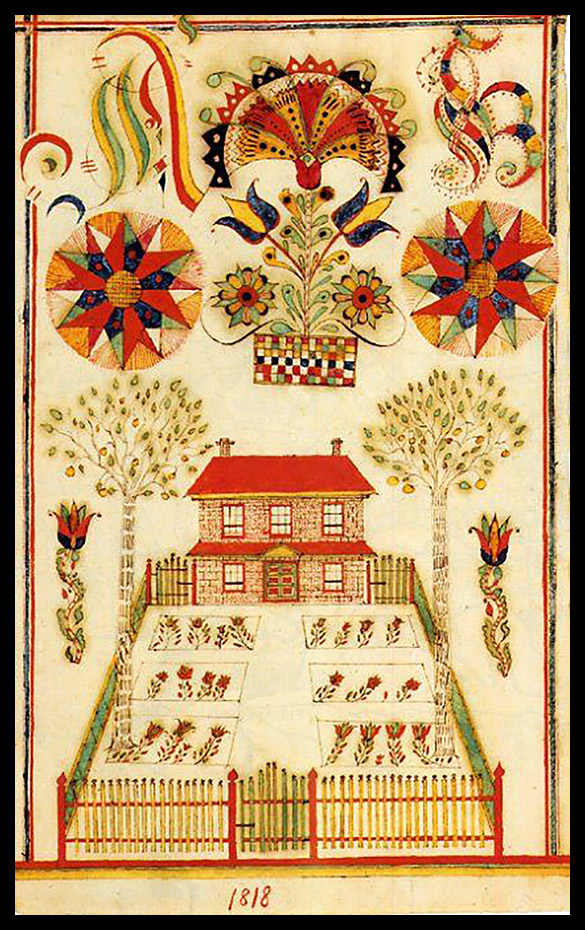
Image 2: House with Six-Bed Garden, Fraktur for Abraham Heebner Susanna Heeber (1750-1818) watercolor and ink on laid paper, 1818 Collection of the Schwenkfelder Library & Heritage Center
A fracture, House with Six-Bed Garden, Fraktur for Abraham Heebner, depicts a dwelling dating from 1818. In this image of someone’s home, each of the two hexes is the same scale as the house. The hexes are present to protect the home from evil. It would be the fringe few who would attribute the presence of witches for poor ecological circumstances and a bad crop today. Yet the notion of witches is still associated with harvest in America. The witch costume seen today associated with Halloween may have little or none of the visual attributes of the seventeenth century New Englanders’ and Pennsylvania Dutch’s notion of a witch, however the visual representation of the witch in not new. The Pennsylvania Dutch use of the hex serves as a reference point for how greatly the imagery of the witch has transformed in America over the centuries. The hexes only tie to Halloween is its association with the harvest and Halloween’s origins as a harvest festival. However, the association of witches with harvest and Halloween comes from a confluence of earlier American association of witches with Irish immigration to America in the 1840’s.[v]
The date of October 31 traces back to the Celtic celebration of the harvest festival Samhain.[vi] Much of the tradition associated with the American celebration of Halloween, including the evolution of pumpkin carving, trick or treating, costume wearing, and the presence of spirits, can be traced to this festival. This agrarian New Year celebration between the autumnal equinox and winter solstice, embraced cultural and religious values of the ancient Celts including the returning of that year’s deceased to their home, and a conviction that ghosts and evil spirits were present annually on this evening.[vii] The following day, on the first of November, the Druids held their great fall festival, lighting fires in honor of their sun god, Lugh, in thanks for the harvest’s bounty.[viii] The spread of Christianity in Ireland transformed Samhain by superimposing Christian values upon the holiday. It was Halloween, not Samhain, which Irish immigrants brought to America in the 1800’s.
HALLOWEEN COSTUME AS FOLK ART
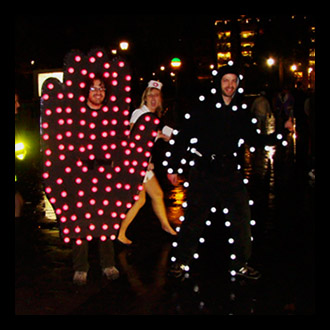
Image 3: Cross Walk Sign, cutout and painted cardboard hand embellished with red battery operated LED lights forming the “DON’T WALK” element of the signage and black street clothes embellished with white battery operated LED lights forming the “WALK” element, , New York, New York, 2009
Mass produced commercial costumes are easily accessible throughout America alongside professional costumes that are readily available in some areas. Professional costumes are particularly available in New York where the infrastructure for both the global industries of fashion and theater exist. Despite the availability, each year lay people realize costumes for Halloween without being designers for mass market, nor working in fashion, nor working in theater. With their creativity and amateur skills, a distinct form of folk art, Halloween costumes, is produced by nonprofessionals for an annual celebration.
The subcategory of folk art costume, drawing from technologically advanced concepts as muse, is particularly engaging because of the beautiful tension between technology and craft. These include folk art costumes of robots, vehicles, social media, a typewriter (where a group of friends each wore a hand written symbol of the different typewriter keys on 8” x 10”pieces of construction paper that were affixed with string to hang like a necklace over each person’s clothes) , and a cross walk sign, for example. Cross Walk Sign, a singular work, comprised of two elements is worn by two people. The costume is cutout and painted cardboard hand, embellished with red battery operated LED lights, forming the “DON’T WALK” element of the signage, and black street clothes, embellished with white battery operated LED lights, forming the “WALK” element. The manufacturing of crossing signs is reliant upon industrial production; their success is valued by their physical longevity. In contrast, the temporal costume that uses this technological concept as muse is valued by its clever execution.
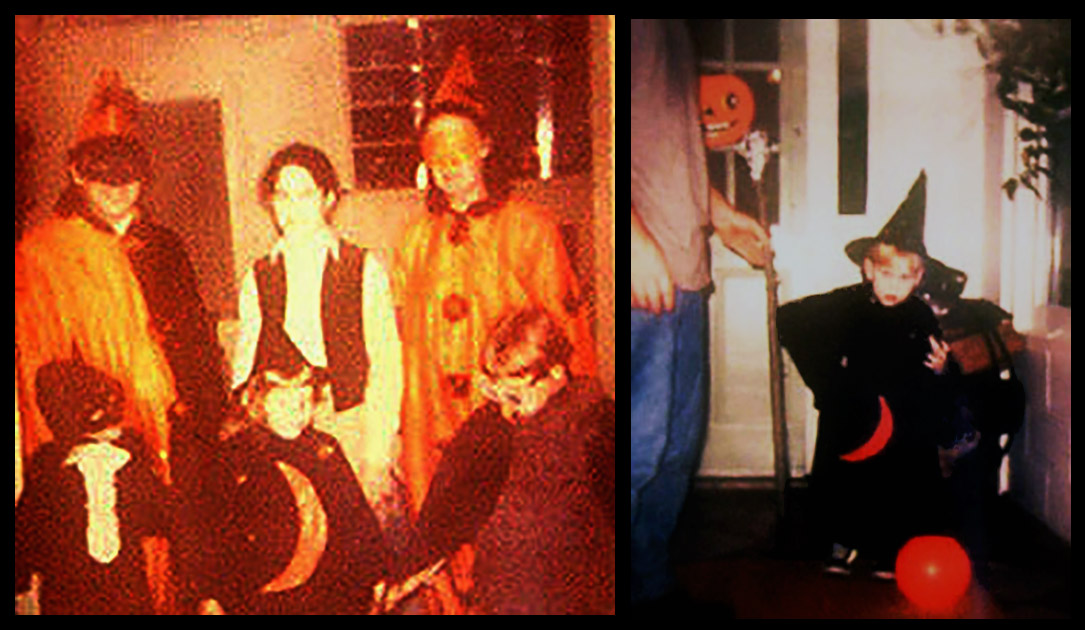 Image 4: Black Cat, Witch, Owl, Halloween Clowns Long Island, New York, 1978
Image 5: Warlock, Long Island, New York 1999
Halloween costumes are designed, realized, and worn by people of all ages. Customarily, children dressed as goblins and ghosts on Halloween so that they would not be discovered by the perceived real goblins and ghosts lurking about on All Hallows’ Eve.[ix] Other popular costumes include pumpkins, witches, cats, and owls. Children’s Halloween costumes can embrace the traditional aforementioned imagery associated with Halloween, or endless possibilities of themed costumes drawing from delightfully unexpected sources. These costumes transform parents with no training or expertise in the arts into sculptors in their own rites. Many parents spend hours creating costumes for their children. The costume, Witch, was made so well that another child can be seen wearing the same costume 21 years later as Warlock. The costume of black wool with a crescent moon and gold star applique associates the imagery of the Halloween witch with night.
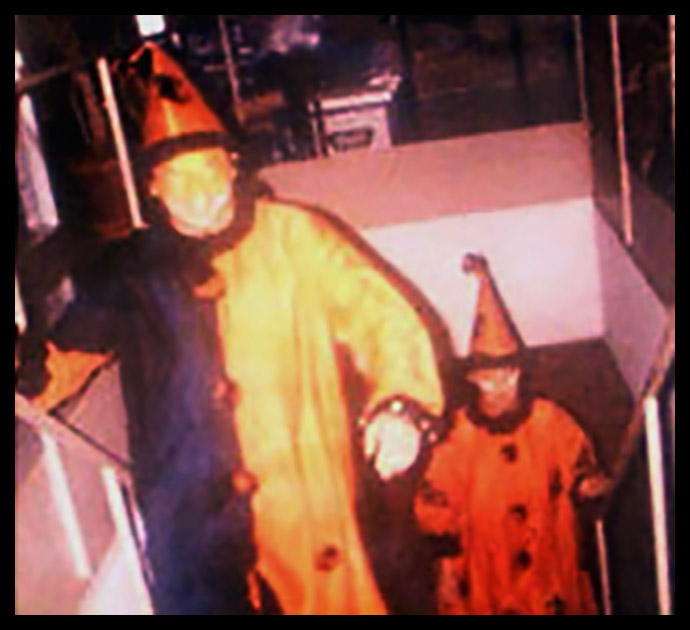 Image 6: Halloween Clowns, circa 1900, worn to costume party, New York, New York, 1978
Halloween Clowns, circa 1900, were acquired directly from one of the original wearers. This trio of costumes designed and fabricated by the first wearers’ mother for a Halloween Ball in New York. The costumes drawing elements from late Rococo Revival style are constructed of orange and black cloth, embellished with pom-poms, covering the buttons and accenting the apex of the hats, small brass bells on the ruffled cuffs, the ruffled collars, and the matching hats. The folded paper based hats have orange and black cloth stretched over them with a turn back black brim.
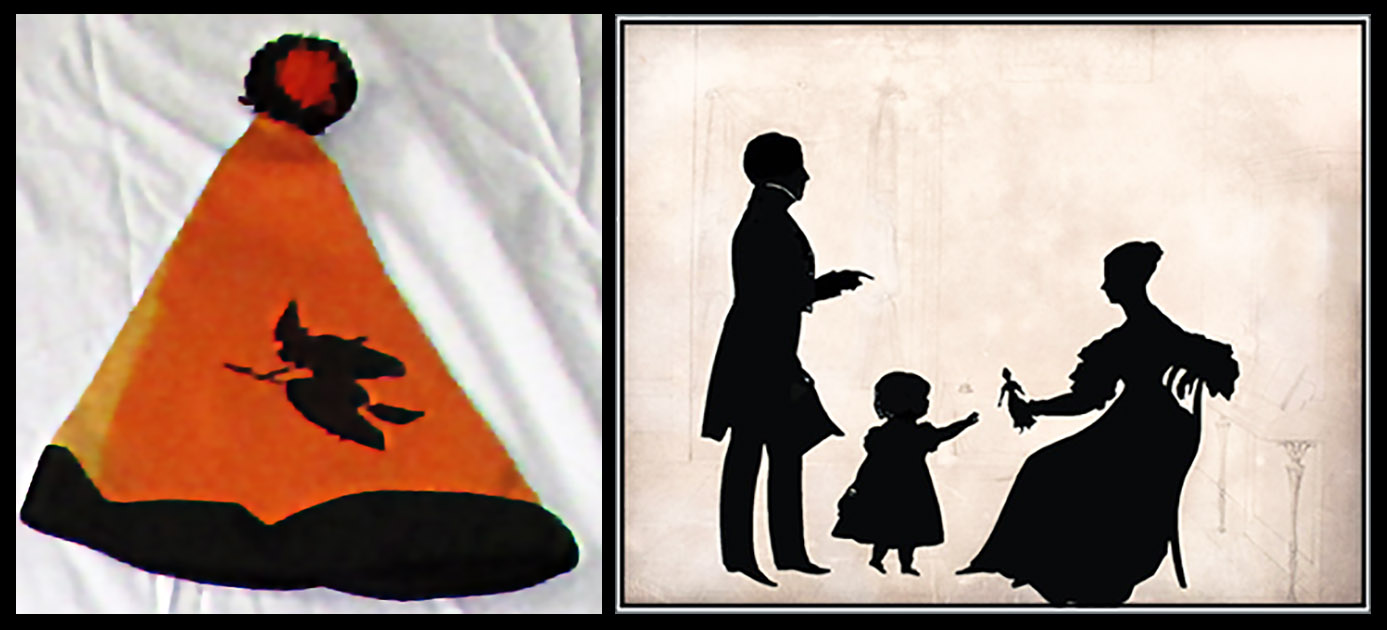 Image 7: Silhouette of witch on Clown Costume, paper on cotton, circa 1900, Private collection.
Image 8: Conversation Piece, late 1830s, Augustin Amant Constant Fidèle Edouart (French, 1789–1861, active in Britain and America).
Cut silhouette on paper with pencil and watercolor. Bartow-Pell Mansion Museum, Bartow-Pell Landmark Fund and Pride in Pelham Fund in memory of Marcia van Tassel, 1988.01 Image Courtesy of Bartrow-Pell Mansion Museum, New York
The preservation of these costumes proves fascinating with the appearance of the black paper cut silhouettes accenting both the one piece jump suits and hats. These paper silhouette embellishments usurp their form from the conventional portrait silhouettes. Eighteenth and nineteenth century silhouette portraits simultaneously portray images of the sitters elegantly and distinctly while leaving details ambiguous. The absence of color and detail allude to the sitters having a greater narrative than what is revealed. The silhouettes on Halloween Clowns feature Halloween tropes including witches on broomsticks, cats, and jack-o-lanterns. The use of silhouette for this group of Halloween costumes is particularly effective in conveying the mood of the unknown. Therefore the use of silhouettes fits into the Halloween iconography seamlessly.
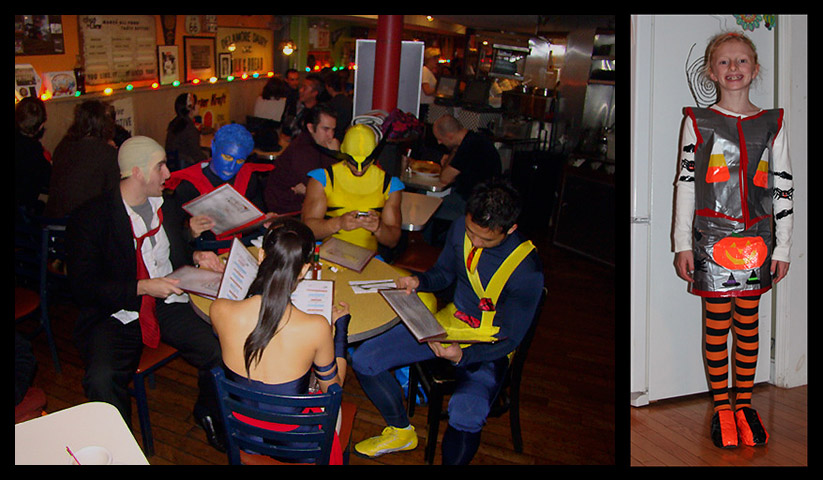 Image 9: X-Men, group of 10 friends New York, New York, 2009
Image 10: Duct Tape Girl, New Hampshire, 2011. Photograph courtesy of Sean McDaniel
Comics license their superhero characters for the mass production of Halloween costumes. Individual, one off costumes of recognizable characters is more distinct than mass produced costumes and allows for the self-taught designer to infuse their creativity and sometimes critique of mass culture like the group of friends costumed as the X-Men. In contrast to widely recognized super heroes, Duct Tape Girl is one of a kind. This creative twist on a superhero, Duct Tape Girl, designed and constructed by the child and her father together, incorporates traditional tropes of Halloween including the black and orange palette, candy corn, witches triangular hats, spiders, and the pumpkin. Dress and shoes constructed entirely of duct tape comprise this collage of traditional Halloween iconography. What inspired her to do this costume? She was interested in duct tape that year and decided that her costume should involve the medium. While this illustrates a nuanced connection of the contemporary and secular celebration of Halloween to New Year celebration as the costume reflects the designer’s curiosity with duct tape that year, the child reflects that “[t]he best part of being Duct Tape Girl was everybody being amazed of how my dad and I had made the costume. And because it was a homemade costume, everyone loved it.” In this, the creation of Halloween folk art fosters an opportunity for a shared experience between child and parent, and nurtures community.
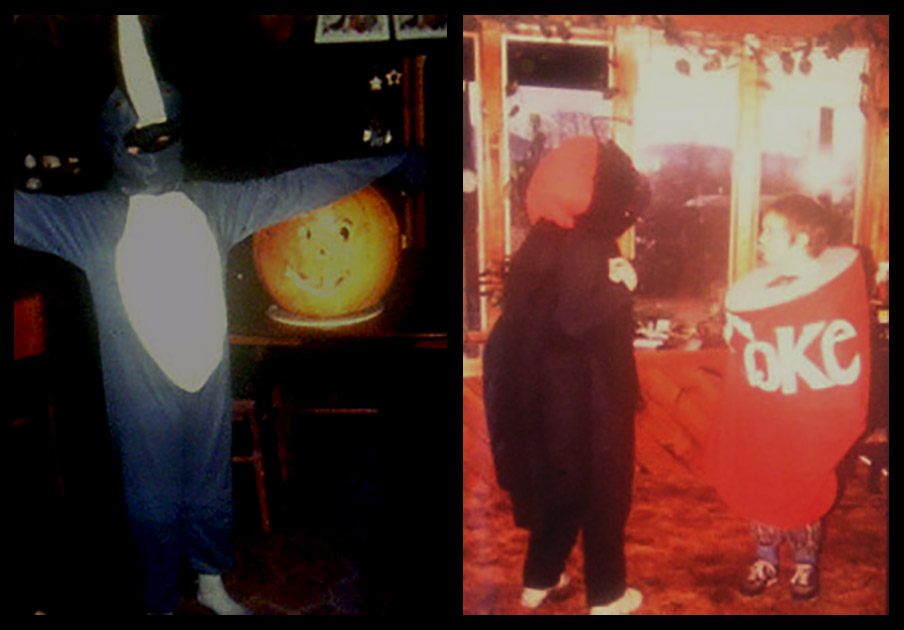 Image 11: Swordfish Costume, Sutton, Vermont, 1989. Photograph courtesy of Jean Maleski
Image 12: Firefly Costume and Coke Can Costume, Sutton, Vermont, 1992. Photograph courtesy of Jean Maleski
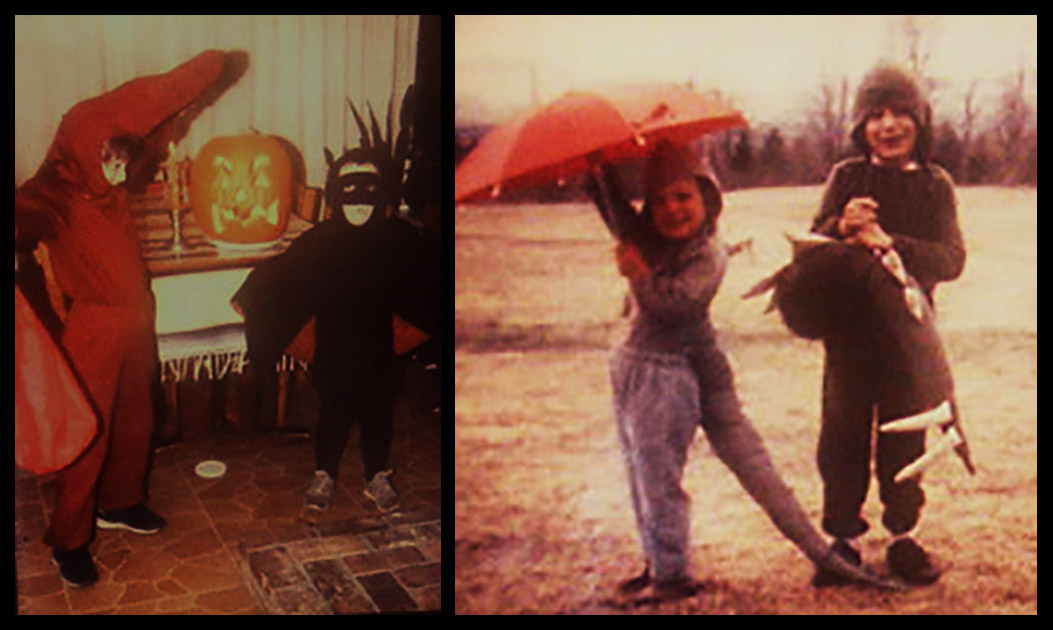 Image 13: Starfish Costume and Bat Costume, Sutton, Vermont, 1985. Photograph courtesy of Jean Maleski
Image 14: Tyrannosaurus Rex Costume and Stegosaurus Costume, Sutton, Vermont, 1986. Photograph courtesy of Jean Maleski
A Vermont mother and father lovingly created costumes each year for their two sons. Swordfish, Firefly, Coke Can, Starfish, Bat, Tyrannosaurus Rex and Stegosaurus are just some of the costumes created over the years to celebrate Halloween. Here again, the creation of the costumes is a collaborative effort between parents and their children, where the parents endeavor to delight and meet expectations. The creation of these costumes by the two trained scientists transforms the scientists annually into folk artists who create unique works of soft sculpture. Here the expansion from long-established Halloween themed costumes to costumes as varied and unique as the American populace is seen.
The creation of wide-ranging costumes for Halloween demonstrates Halloween’s evolution in America. The custom of going out into the Halloween night trick-or-treating has created the environment for the creation of another area of American folk art, house decoration for Halloween.
HOUSE DECORATION AS FOLK ART?
A decorated home greeting neighborhood children, is a clear marker of the homeowners’ embracement of the celebration of Halloween, and their welcoming of visitors to their door. In 2014, 46.7% of Americans plan to festoon their homes for Halloween, one of the most visible holidays for decorating in the United States.[x] Is Halloween house decoration folk art?
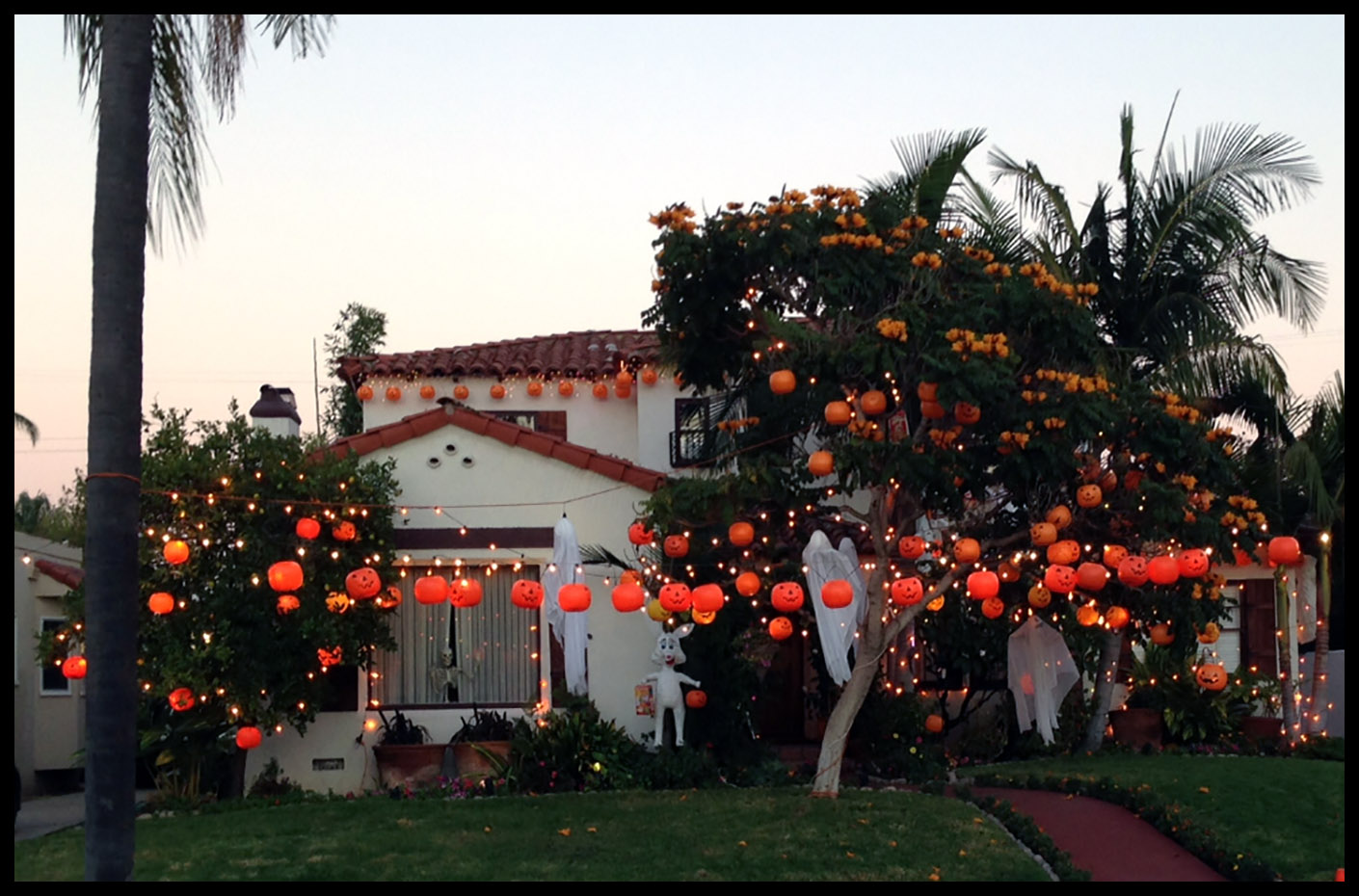 Image 15: Spanish Colonial Revival Home Festooned for Halloween, San Diego, California, 2014. Photograph courtesy of Charles Mulhall
Spanish Colonial Revival Home Festooned for Halloween, San Diego, California is a site specific installation for the holiday. Here a mixture of commercially available Halloween decorative elements intermixed with hand crafted decorations completes the assemblage. Above the litany of jack-o-lantern trick-or-treating buckets strung ceremoniously from tree to tree intermixed with twinkly light affixed to palm tree, and translucent white ghosts is the African tulip tree’s orange blooms. The rabbits, while slightly unexpected, hold candy buckets as a trick-or-treater might. This whimsical decoration spreads onto the neighbor’s property, thus fostering community. In America, many traditions have added to the vast vocabulary of imageries and practices associated with celebrating Halloween. Today, there are even Halloween Haiku contests for children and dinner parties that could trace their origins to France or Italy autumnal feasts showing the multitude of influences on the contemporary celebration of Halloween.[xi]
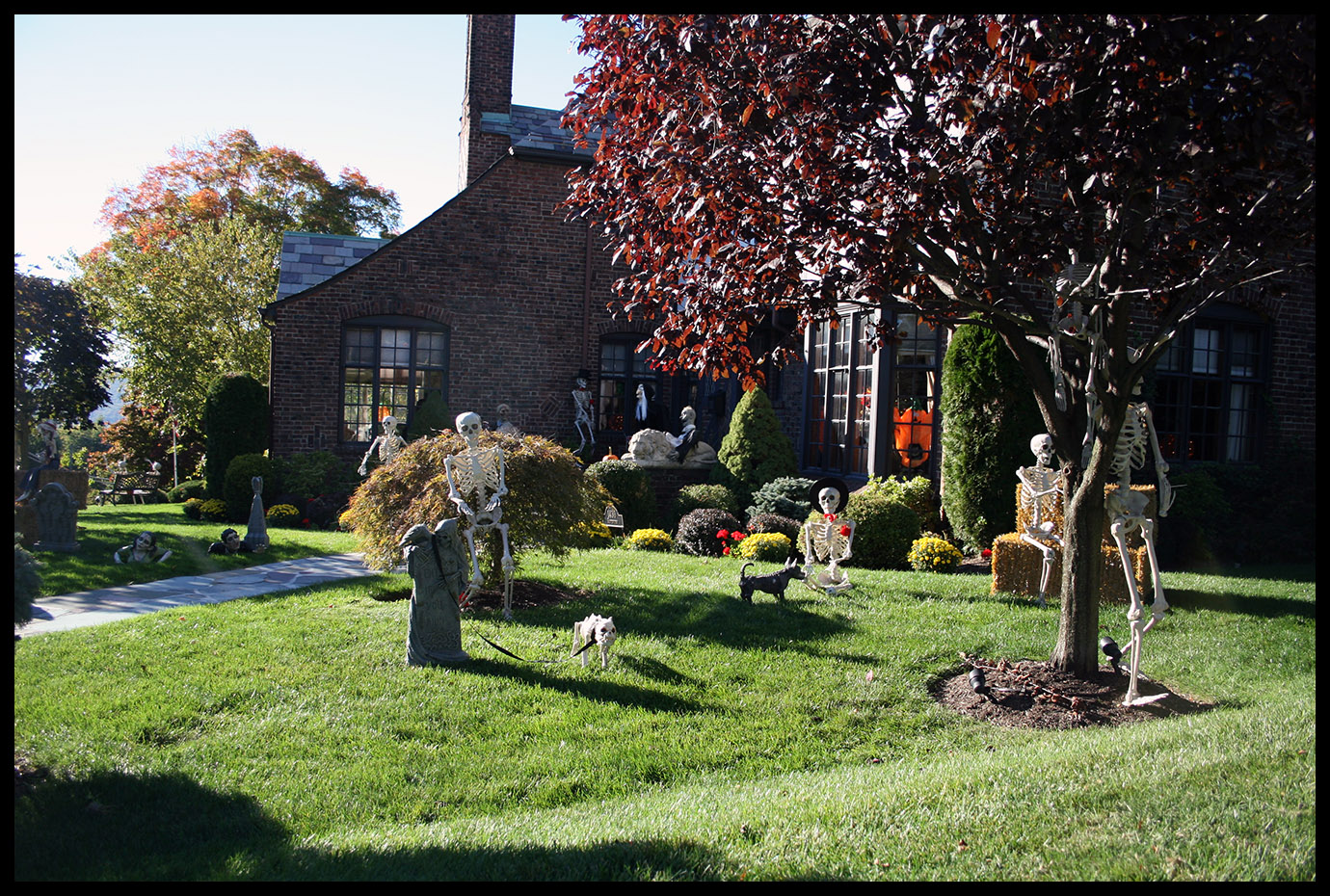 Image 16: Tudor Home Festooned for Halloween, Westchester, New York, 2014
Tudor Home Festooned for Halloween , Westchester, New York, 2014 is an example of elaborate house decoration. Here the home owners have creatively assembled commercially available elements into an unique and inviting environment for their potential young visitors. Zombies emerging from the lawn, tomb stones, hay bails, and no less than twelve skeletons, some with their skeleton dogs, comprise this site specific installation. The home owner posed the skeletons in humorous and engaging stances.
There is a distinct darker side to some Halloween house decoration. “Halloween… [is] a day to confront death”. [xii] The notion of death has such varied responses. The universal themes derived from seasonal changes, particularly death and resurrection is present globally. As autumn transitions into winter, Halloween is seasonally posited to address death.
Death, as a rite of passage, is contemplated in the creation and in the viewing of both some costumes and domestic displays. Serving as a stationary foil for these discussions, domestic displays have been the target of a small group. The macabre decorations could account for the vocal backlash against the celebration of Halloween. Some parents who participate in the anti-pagan movement still confess to dressing their children in costumes that are completely secular, such as football players.[xiii] While some costumes and house decorations may indeed be ghoulish and morbid, there are factors that counterbalance the macabre.
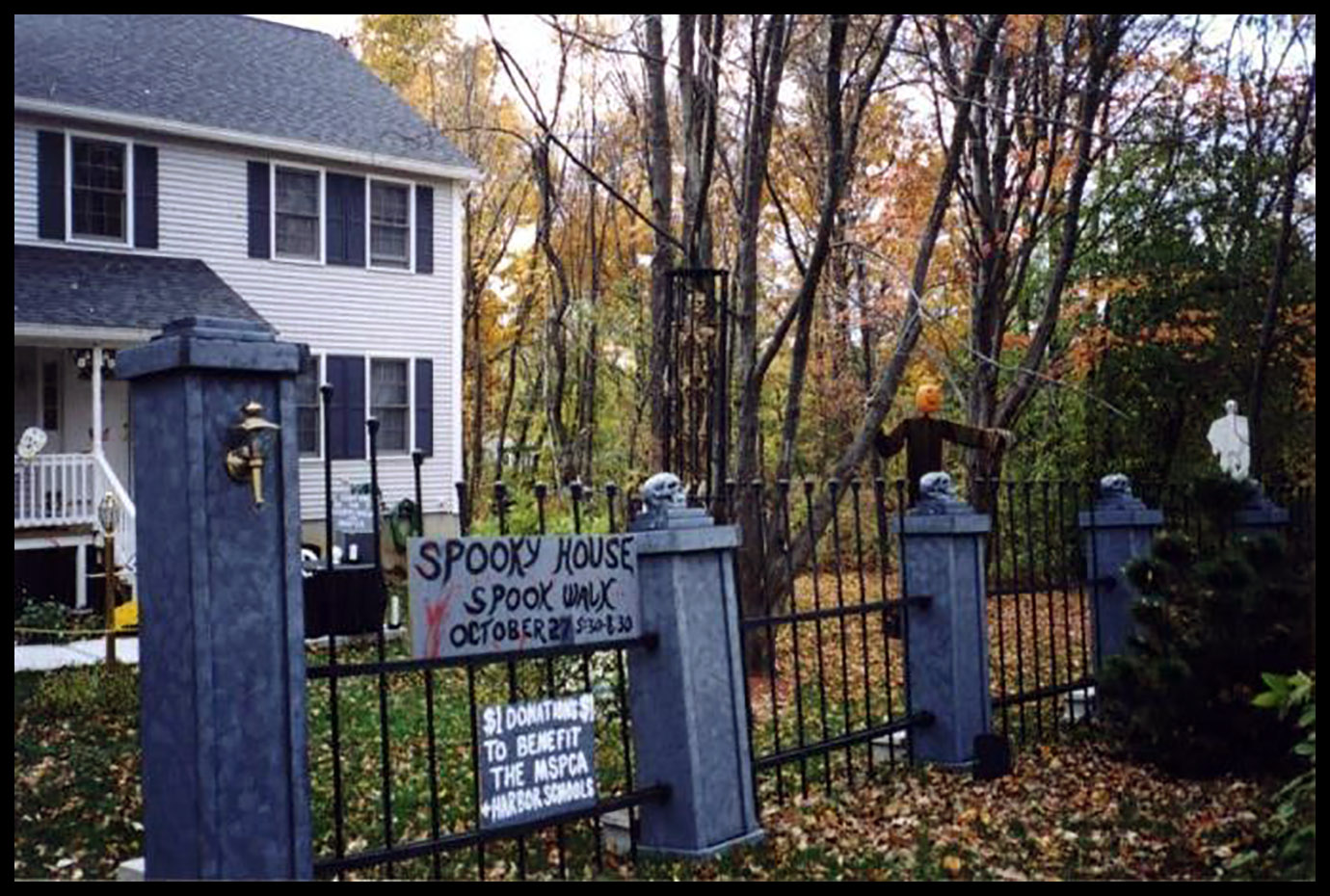 Image17: Fence of Spook House, Bradford, Massachusetts
One Halloween house decorator, the owners of Spookmaster views their decoration, not just as an annual assembly, but expresses their process of building, and expanding annually as essential to their creation. “Like most Haunters, I have always loved Halloween, however for many years I was limited to small displays based on where I was living at the time. Now that I have my own home, I am able to indulge my creativity in the pursuit of my dream haunt. I plan on adding to it each year.” [xiv]
The creative process, the time and the energy put into these house decorations shows thoughtfulness, community involvement, and in the case of the creator of Spookmaster, an opportunity to support a charity. The raising of funds for her local ASCPA one year through attendance of her Halloween installation is a clear demarcation of community involvement. Since The Folk Art of Halloween was first researched and presented, Spookmaster, now called Spooky House, has grown to involve at least 30 people, both children and adults. The home owners who festoon their home have moved and continue to move Spooky House with them. The front fence of Spooky House shows both the papier-mâché skull heads on columns and a sign reading, “$1 DONNATIONS TO BENEFIT THE MSCPA HARBOR SCHOOLS”. This illustrates that individual home owners festooning their home become folk artists for Halloween, and in addition make it into a philanthropic event. In this, the folk art of Halloween brings communities together.
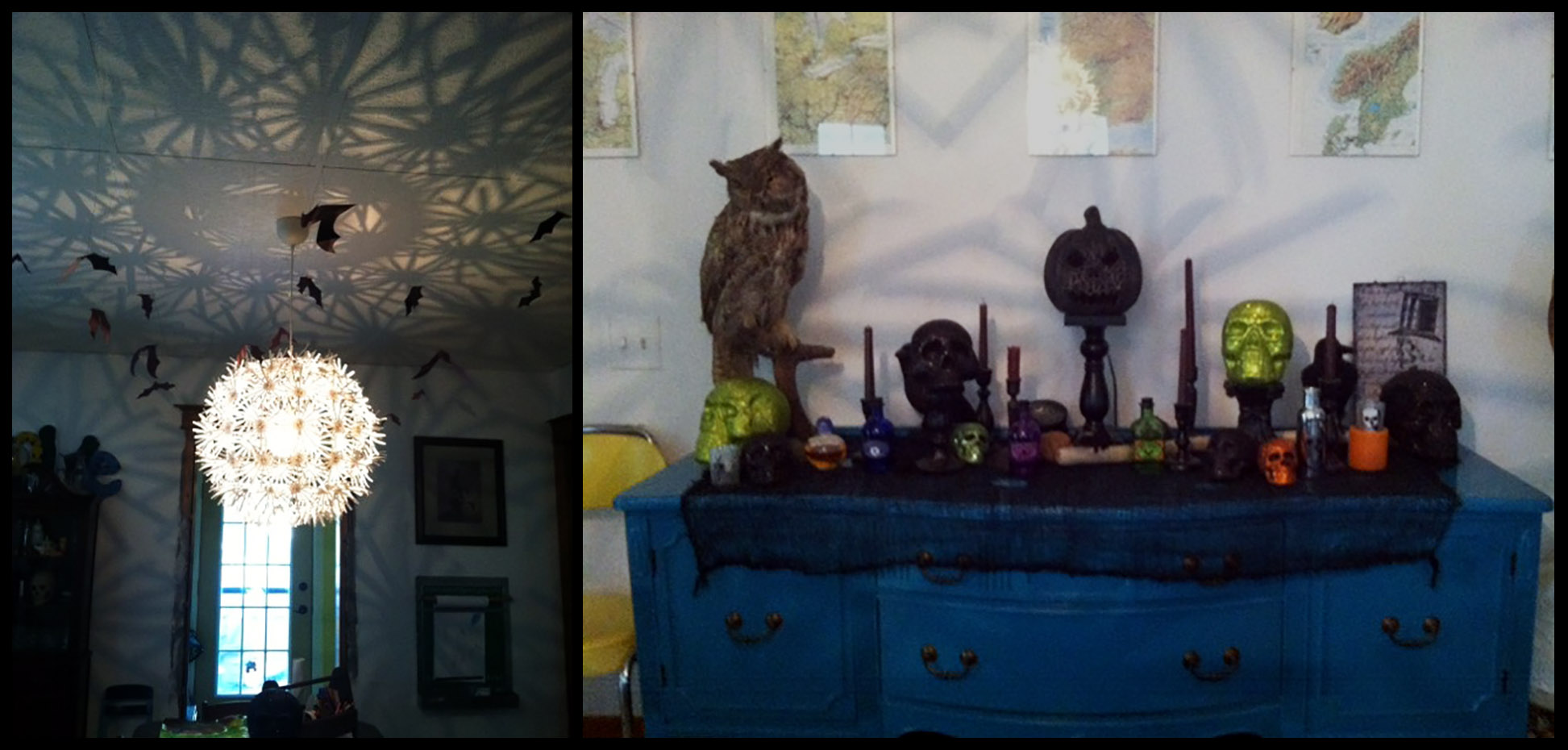 Image 18: Ceiling Bats, Rochester, New York, 2014, black construction paper and wire Photograph courtesy of Jennifer Wright
Image 19: Halloween sideboard decoration, Rochester, New York, 2014 Photograph courtesy of Jennifer Wright
A dining room in Rochester, New York comes alive with bats realized in black construction paper and wire each Halloween. While not part of historic visual vocabulary associated with Halloween, because bats are nocturnal and associated in popular culture with Bran Stoker’s 1897 Dracula, they are a logical addition to Halloween tropes in the twentieth century. The hand crafted bats circle the ceiling above the sideboard festooned with skulls, a jack-o-lantern, and an owl.
Is this really folk art? Most of it is not. While mass produced designs are used in Halloween house decoration, the individual home owner still is transformed into a sculptor in these site specific installations, just as home owners were before with appropriated materials from around the house, and handmade decorations. These site specific assemblages are fantastic and bear mentioning because they reveal another transformation in how Halloween is celebrated in America.
While there seems to be urban legend about Halloween being the second most celebrated holiday after Christmas in the United States, statistics from the National Retail Federation points to it being the sixth largest for consumer dollars.[xv] Do these consumer statistics reflect the totality of Halloween house decoration?
There does not appear to be any statistics available about Americans decorating their homes for Halloween with found materials. Halloween house decorations consisting of appropriated household items transformed through the creative spirit into individual expressions of the holiday were indeed folk art. Once taken down, these components would be returned and recycled, with no recorded consumer dollars spent. Further, consumer statistics do not take into account home owners using the same decoration for their home year after year. Unfortunately, there is not an abundance of visual record documenting such installations. While pumpkins adorn American front porches, some Americans incorporate much more than a mere pumpkin into the seasonal decoration of their homes for Halloween.
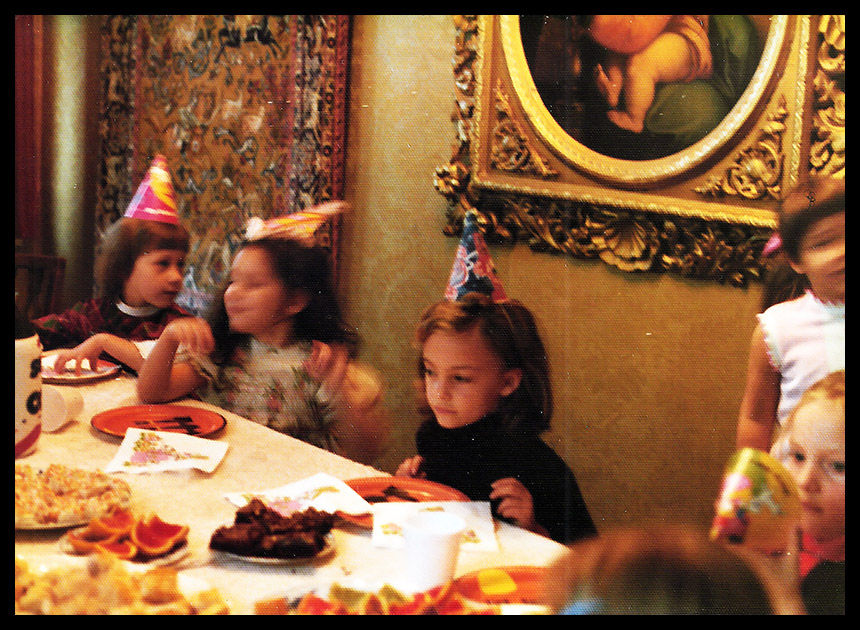 Image 20: Child’s Birthday Party, Westchester, New York, October 30, 1976
It appears that much of the Halloween house decorations that unequivocally fall into the category of folk art escaped visual record. The image of a child’s birthday party held on Saturday, October 30, 1976 is one of the only visual records of a spectacular Halloween house installation. Here, the entertainment included a spooky walk through the vast dimly lit basement, and an out building bedecked with handmade decorations of ghosts made from bed linens. In the basement elements included a spooky record playing, eyeballs (which were actually peeled grapes) were in a dish for the children to feel, and spiders hanging from the ceiling made out of crepe paper that would brush against party guests so it felt like little things were crawling over them. In addition, bobbing for apples was played, and the birthday girl’s father and uncle dressed as wizards performing card tricks and adlibbing a play about pumpkins and witches. [xvi]
The birthday girl’s mother recalls, “Everything was homemade. Today parents do not have the time to make costumes. We used whatever we had.” Neither of the birthday girl’s parents was formally or informally trained as artists. Yet, they created ghosts, goblins, spider webs, witches, and cats with materials from around their house. While “millions [of photographs] come directly from smartphones”, before there were phones on cameras, there was not a proliferation of photographic documentation of each moment. “Every day, 300 million photos are uploaded to Facebook. An additional 40 million go up on Instagram, while Flickr sees 4.5 million.”[xvii] The only visual records of this day are of the party guests eating birthday cake served on Halloween themed paper plates; No photos were taken of these handmade Halloween decorations.
In contrast, house decoration in the form of carving pumpkins and gourds is abundantly recorded. Pumpkins are carved by untrained artists creating temporal folk art. In the carving of the pumpkin, the carvers connect both to the harvest season, and nature as they transform the fruits into works of perishable art. Decoration of the home with an individual creation of the jack-o-lantern seems to transcend regions being omnipresent throughout America, and historically the deepest routed form of Halloween folk art.
JACK-O-LATERN
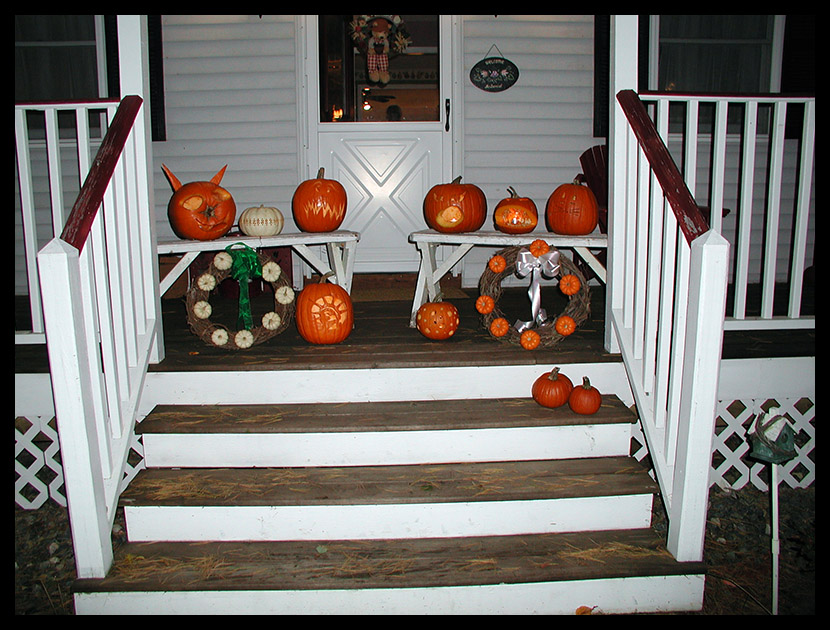 Image 21: Halloween Porch Decoration including eight Jack-o-Lanterns, New Hampshire, 2002. Photograph courtesy of Sean McDaniel
Folklore runs rampant with the origin of the Jack-O-Lantern. Some accounts claim that Mr. Jack O’Lantern, also referred to as Stingy Jack, was an Irish ghost who carried glowing ambers from hell in a large hollowed turnip as a lamp for his journey back to the earth. The tale that Jack was a legendary stingy drunkard who tricked the devil and got him caught in an apple tree maintains that Jack released the devil under the provision that the devil would not take his soul upon death. Having not been welcomed into Heaven upon his death, Jack turned to the devil for a final resting place. The devil kept his word and sent Jack off with some coals to find his final resting place.[xviii]
Originally, Celts hollowed out potatoes and put embers in them. When the tradition of the jack-o-lantern immigrated with the Irish to America, following the nineteenth century potato famine in Ireland, pumpkins proved to be easier to carve and larger in size. Thus, pumpkins were an ideal medium.
Children carve pumpkins in public schools in Tennessee, while local community centers as far reaching as Hawaii offer pumpkin carving as an extra-curricular activity to celebrate Halloween. In New Hampshire, a festival of pumpkin carvings draws both participants and viewers on the scale of any state fair at the Keene Pumpkin Festival. Carving pumpkins into jack-o-lanterns is pervasive in America irrespective of region. It is because of the widespread celebration of Halloween that abundant opportunities for Americans to share the experience of creating the folk art of Halloween. Further, jack-o-lantern carving is a shared experience. It is through shared experiences that one opportunity to understand others and begin dialogues may occur.
The annual ritual of picking a pumpkin for children in America focuses awareness on both the harvest, and the changing season. The selection of a pumpkin can reflect a child’s aesthetic, as some children are drawn to the shape of the pumpkin, or its texture. Still others are concerned with the size, or may make their selection based upon hue. Picking a pumpkin to carve has become part of the Halloween festival celebration for children.
The imagery of the pumpkin, a crop indigenous to the Americas, is part of the visual vocabulary unique to Halloween in America. While the appearance of pumpkins as decoration is indicative of the season, the Jack-o-Lantern, an amalgamation of several Celtic traditions, is specific to the holiday of Halloween. Throughout America, homes are decorated with pumpkins. One interesting occurrence is families carving pumpkins proportional in size to, and including personality traits of, each family member. In this, carving jack-o-lanterns serve as both a communal and as a highly personal folk art form.
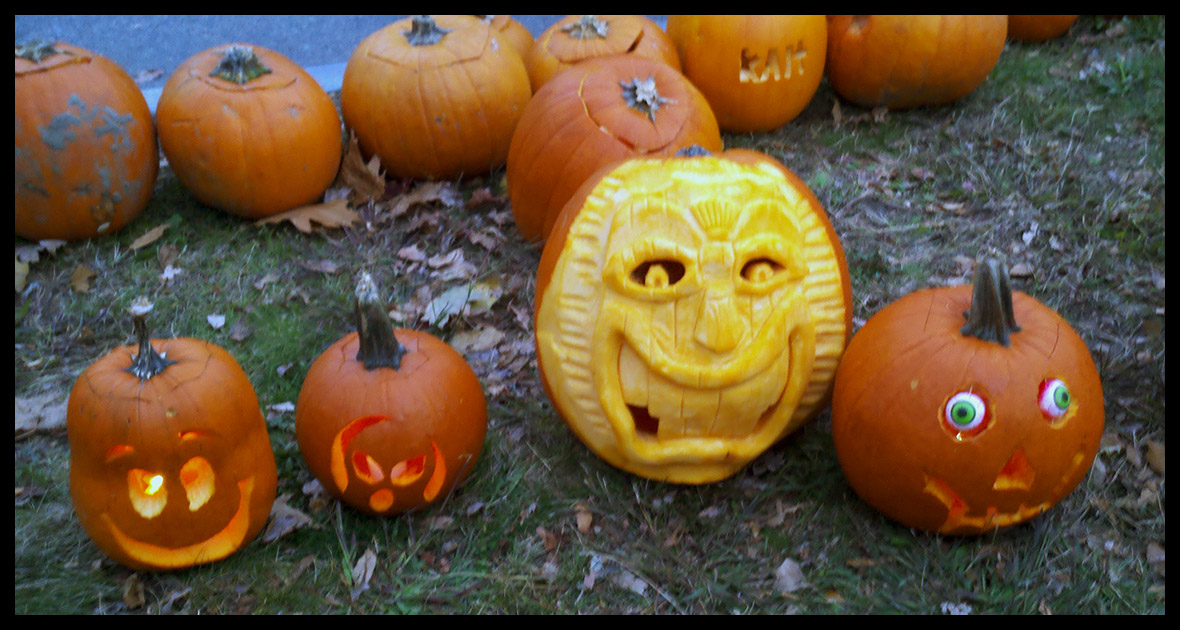 Image 22: McDaniel Family Jack-o-Lanterns, The Keene Pumpkin Fest, 2010. Photograph courtesy of Sean McDaniel
TRADITIONAL FOLK ART
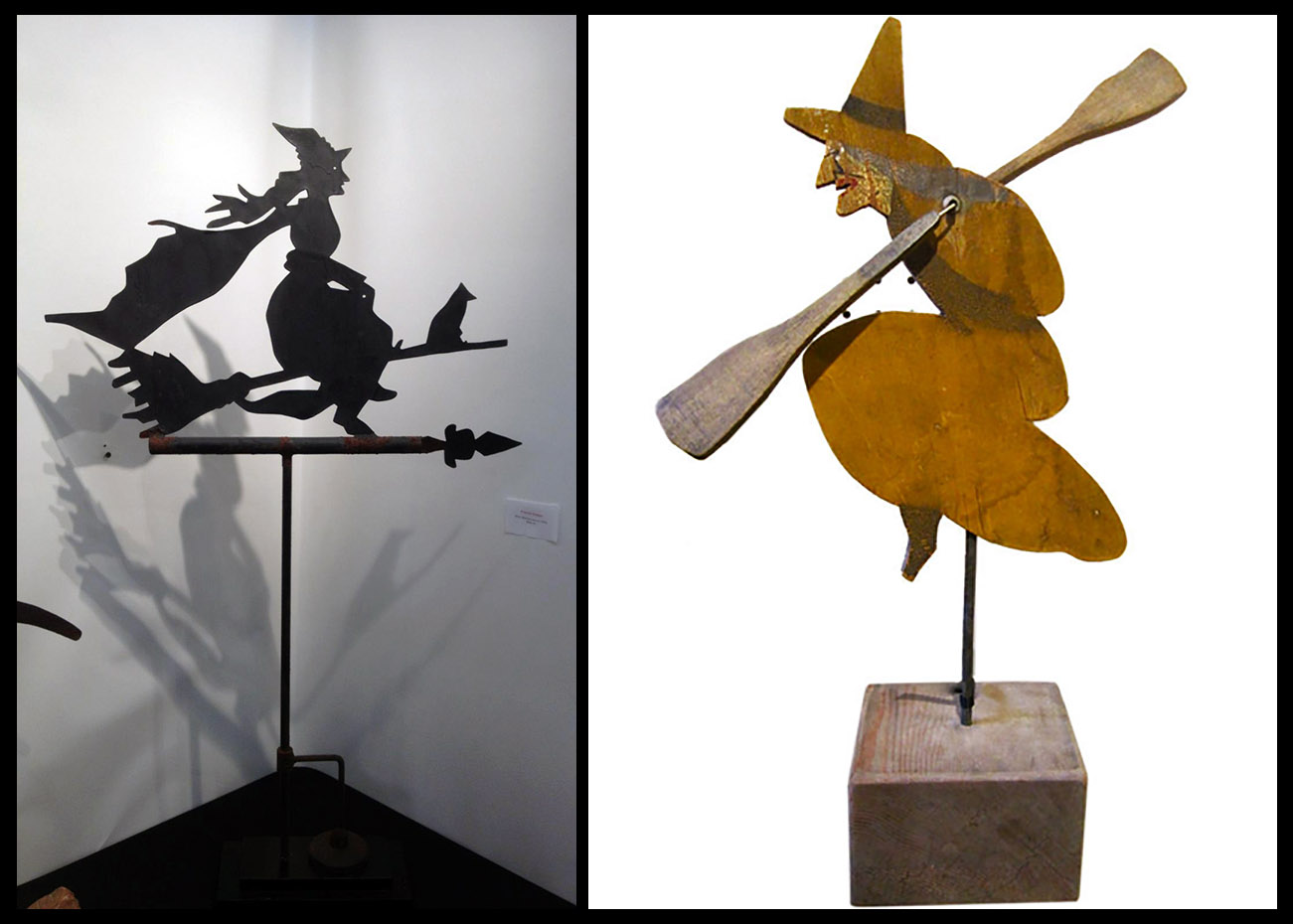 Image 23: Witch Whirligig, circa 1910, painted wood on both sides, Former Collection of Tod Donobedian, San Francisco, California
Image 24: Witch Weathervane, circa 1910, cut metal, Private Collection, Photograph courtesy of Francis Crepso.
More canonized forms of American folk art have incorporated imagery associated with Halloween. A late nineteenth century wool quilt and hand hammered tin lanterns from the turn of the twentieth century, used in America for Halloween parades, bear the imagery of the jack-o-lantern. A witch silhouetted on the moon appears on a hooked rug from Maine, dating from the 1920’s. While a whirligig, a celebrated whimsical American folk art form, is realized as a witch painted with an orange skirt, cape, and conical hat, a weather vane depicts a witch on broom stick with cat. Here the cut metal weathervane shows the witch’s cape and hair windblown. The utilization of the vocabulary associated with Halloween permeating traditional American folk art forms allows for seasonal decoration of homes where art collections are rotated.
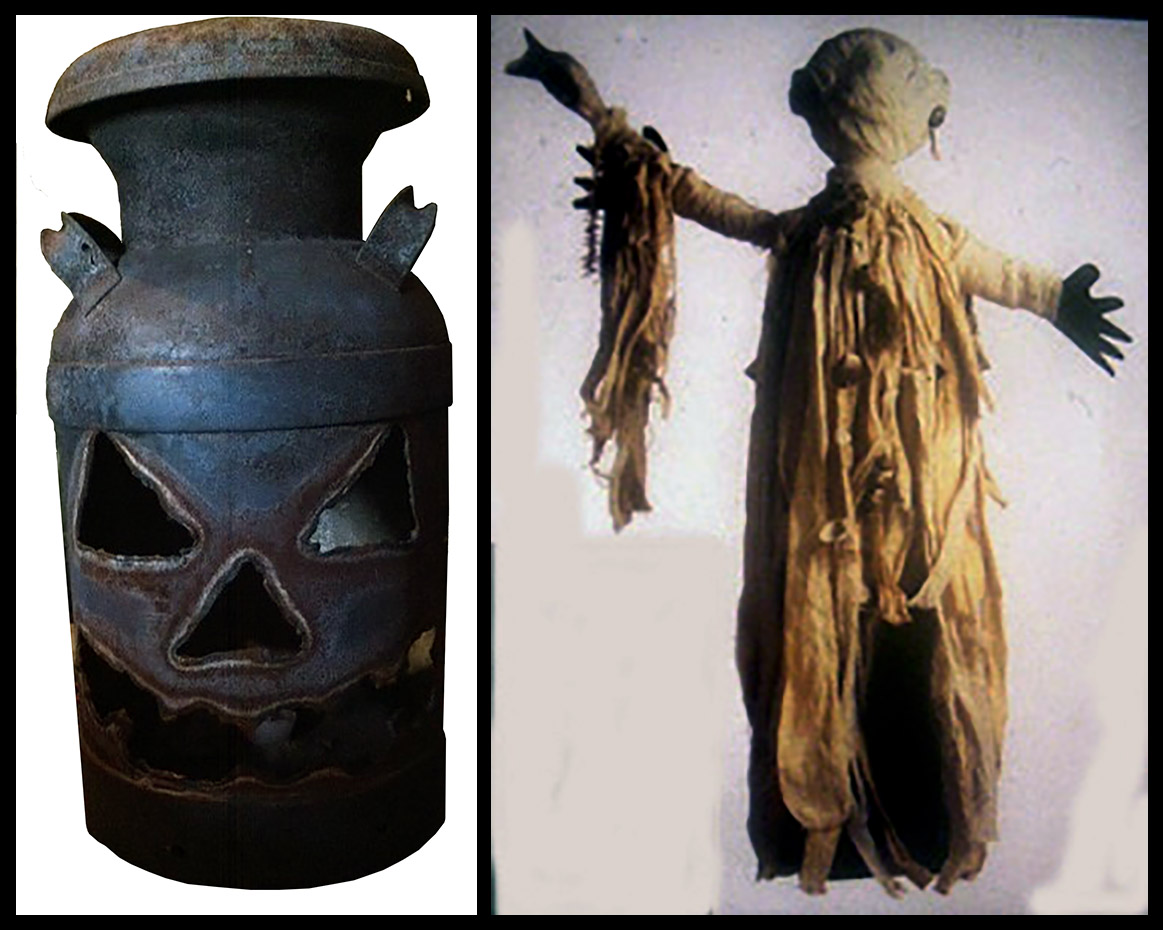 Image 25: Jack-o-Lantern Milk Can, Private Collection 2014 Photograph courtesy of Jennifer Wright
Image 26: Spell Binder, 1985, Cher Shaffer (b. 1947) apx. 3 feet tall, mixed media, charms and amulets Photograph courtesy of Cher Shaffer
A contemporary folk artist carved Jack-o-Lantern Milk Can, a fitting medium for a Halloween porch display because milk cans were designed for outdoor milk storage, and as such can weather the elements. The folk artist up cycles antiquated utilitarian objects transforming them into decorative art. It is through repurposing and up cycling that this folk piece engages everyone beyond political borders. The very ethos behind up cycling is a reverence for materials, and the natural resources of the planet which we all share. Selling his works in Rochester, New York, this contemporary folk artist transforms old metal gas cans, Art Deco bread warmers, old toasters, barrels, and shovel blades into figurative sculptures through simple silhouettes of eyes, nose, and mouth. With surfaces never painted over, allowing whatever the metal was when found, the work is consistently subtractive, creating negative and positive space. This contemporary folk art breathes new life into objects that could have been discarded.
Maize, like pumpkin, is a crop indigenous to the Americas. While pumpkins lend themselves to be carved, maize can be woven. The tradition of maize weaving traces back to the Pueblo tribes in the American Southwest. Cultural diffusion spread the agricultural knowledge of planting and harvesting maize along with using maize as a material to weave throughout America. Maize weavings are incorporated into domestic displays during Halloween. In West Virginia, Cher Shaffer creates haints, including Spell Binder. These figures represent restless spirits returning from the dead.[xix] Following illness in 1985, Shaffer’s work examined death and mortality.[xx] The mixed medium of Spell Binder is evocative of maize. Shaffer seems to have been influenced by ghost stories from the heritage of oral tradition she learnt from African-American sharecroppers as a child in Georgia.[xxi]
HALLOWEEN CELEBRATIONS
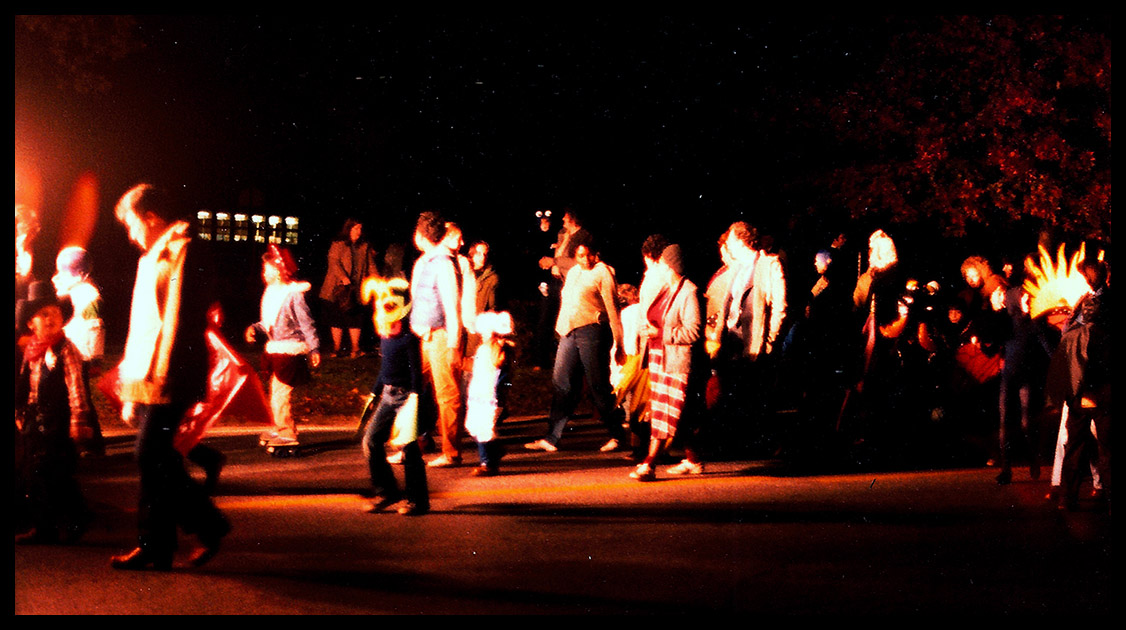 Image 27: Halloween Parade, Long Island, New York 1981
Trick-or-treating marks the event where the two major forms of the folk art of Halloween, costumes and house decoration, coincide in time and space. As trick or treating throughout the United States became overshadowed by mischief night, an excuse for people to behave at best like little goblins and at worst criminal, some communities, like Detroit, imposed curfews on Halloween[xxii] However, Mischief Night going terribly awry to the point of being criminal is nothing new to twentieth century America.[xxiii] More safety concerns for children put a damper on trick or treating in the 1980’s and 1990’s. Exaggerated reports of poisoned Halloween candy raised concern.[xxiv] In lieu of imposing curfews some communities organized structured activities for the children. In a 1978 Kiwanis Halloween parade for children in Long Island, New York, the celebration was inclusive of the entire community as it stopped at an aging home before culminating in a school auditorium. Here, children would participate in Halloween costume contests and the time-honored Halloween game bobbing for apples.
With the submergence of Mischief Night, and other concerns,”92% of American children went trick – or –treating,” in 2001.[xxv] In Manhattan, one Upper West Side community decorates and closes the block so children can enjoy the holiday in safety.[xxvi] This protective approach, replicated in many communities, provides children the opportunity to partake freely in the folk art of Halloween. Once dressed in their festive regalia, children begin the tradition of trick or treating. Whether trick or treating originates from children going door to door to collect firewood to fuel the Samhain fire on the hill, or if it is rooted in the Middle Ages with pilgrimages to reliquaries, or food for the hungry being given at the asking during this festival is unclear. [xxvii]
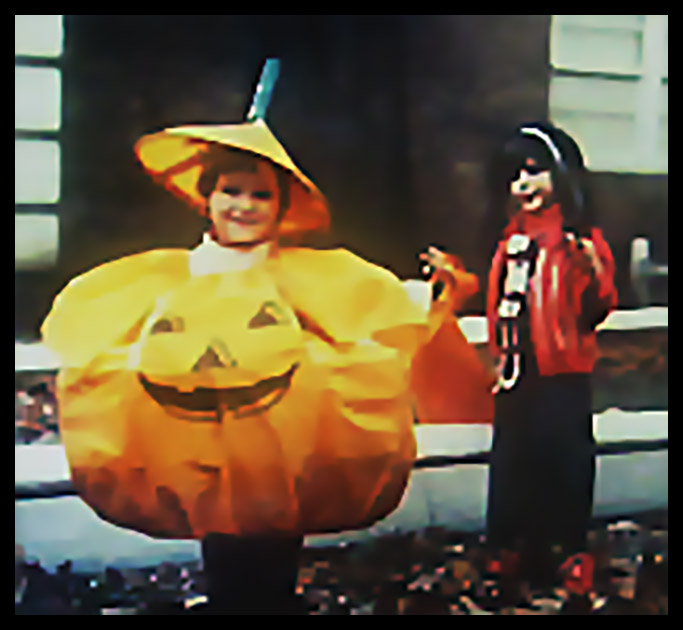 Image 28: Jack-o-Lantern and Witch out Trick or Treating, Long Island, New York, 1976
What remains clear is that this custom has become an annual, widespread American tradition that showcases costumes, the folk art of Halloween to a multitude of residents. While children display folk art on their bodies, the custom of trick-or-treating provides a platform for Halloween house decoration.
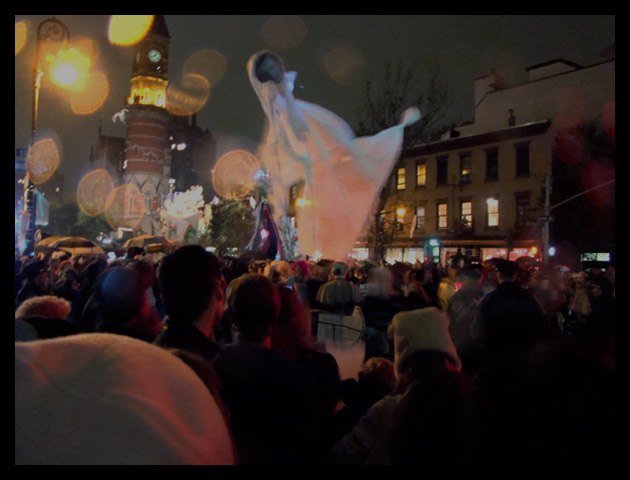 Image 29: Puppets in New York’s Village Halloween Parade, both marching and on façade of Jefferson Market Courthouse, 2009
This now secular holiday, becomes increasingly community oriented, and an opportunity for the majority of the American populace to participate in some way. The Greenwich Village Halloween Parade (http://www.halloween-nyc.com/), began by puppeteer Ralph Lee in 1974 following an era of Civil Rights movements, and is a great urban celebration.[xxviii] The spectacular event brings thousands of viewers and in 2001 even more with the national telecast on the Sci-Fi channel. Halloween provides both an opportunity for gender illusionist to participate in American pageantry and creates a mass forum for New Yorkers to express themselves creatively and participate in this American folk art tradition. Each year some of the New York costumes seen in the parade encompass themes of news events of the passing year. Here the annual cycle of a year comes full circle.
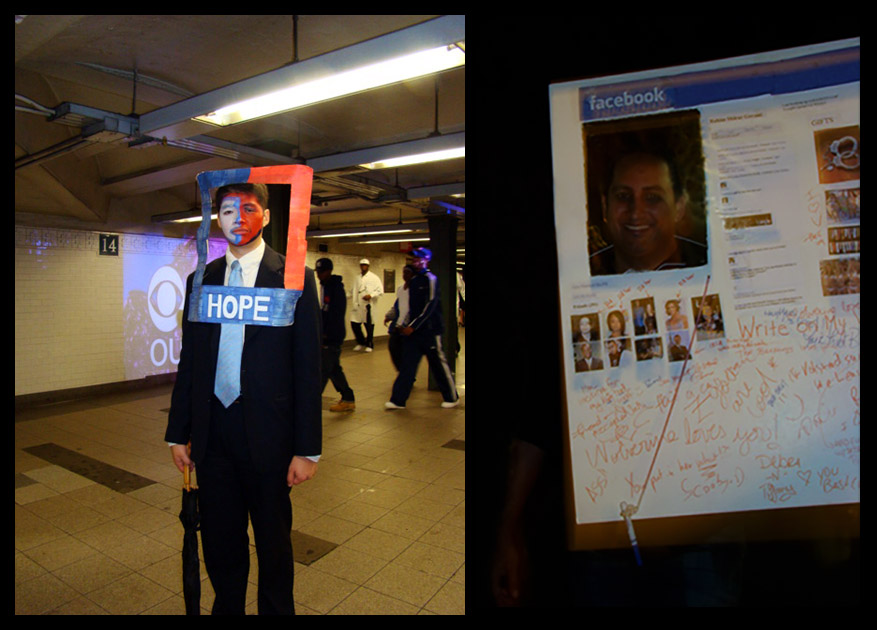 Image 30: Shepard Fairey’s Hope Costume, New York, New York 2009
Image 31: Facebook Page Costume, New York, New York 2009
In addition to topical costumes, such as one parade goer’s costume of a Chris Ofili painting in the 27th Annual Greenwich Village Parade, Shepard Fairey’s painting and Facebook Page in the 36th Annual Greenwich Village Parade, are the common favorites, appearing every year including the cast of characters from MGM’s adaptation of Frank Baum’s Wizard of Oz. Here again, the transformation of the iconography of the witch in American culture is seen. The image of the witch has changed from a feared figure threatening the wellbeing of the community to a costume appropriate for jovial celebration embraced by the community.
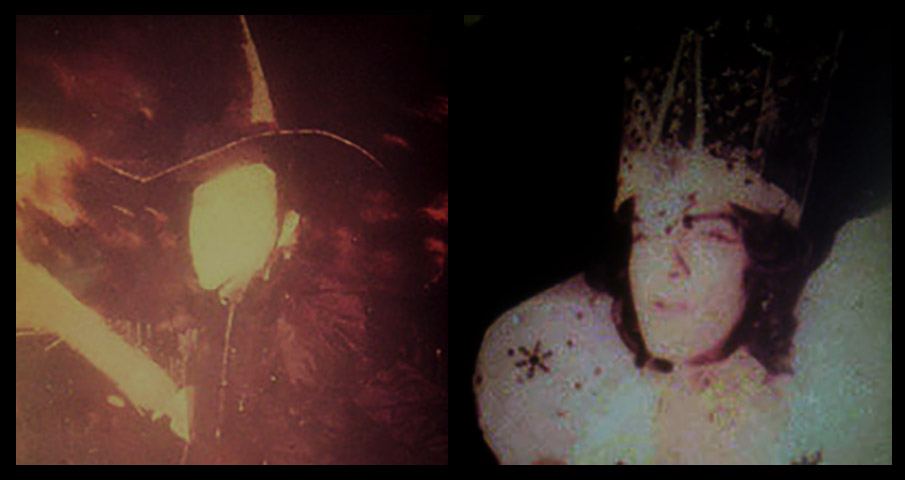 Image 32 The Wicked Witch of the West , Greenwich Village Halloween Parade, 1999
Image 33: Glinda, the Good Witch of the South, Greenwich Village Halloween Parade, 1999
The unusualness of the themes of Halloween in painting highlights the folk art of Halloween to be almost exclusively within the realm of costume and house decoration. The integration of a diverse body of traditions, myths and imagery into a shared annual holiday throughout the United States has created a uniquely America tradition. It is through this celebration that folk art is created and understood by the American community at large. Halloween has taken the universal experience of the cycle of seasons and has brought images and ideas from many traditions. We as one people have remade them with a distinctively American vocabulary.
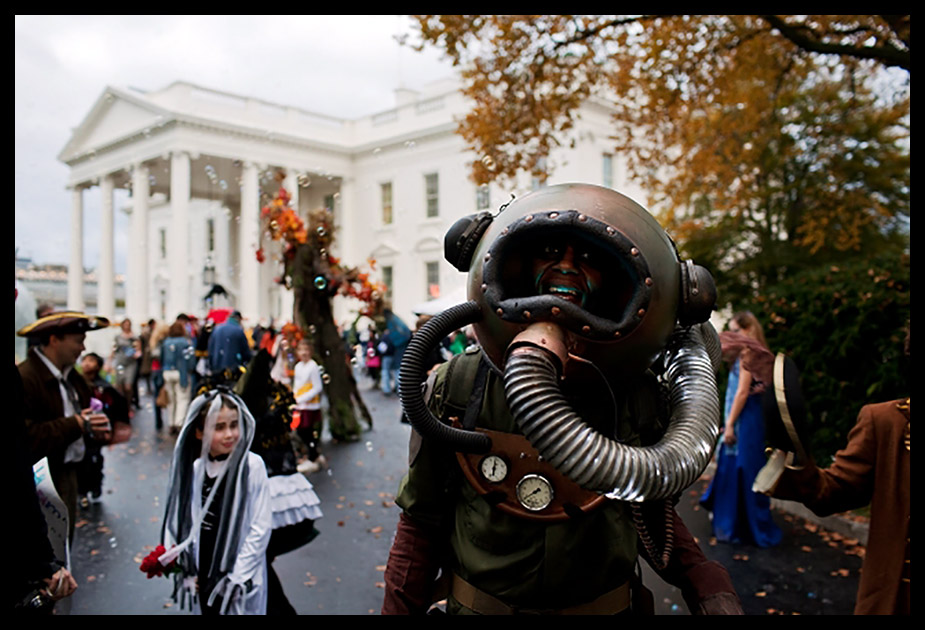 Image 34: Guests in costume arrive for Halloween festivities on the north side of the White House. October 31, 2009. (Official White House Photo by Pete Souza) Photograph courtesy of http://totallyfreeimages.com/5070/Halloween-Guests-in-costume
This essay was first presented as a slide presentation at The Folk Art Institute, The Museum of American Folk Art, New York, NY in fall, 2001. Adapting this paper for the web and endeavoring to secure images has brought insight into the vast changes in the availability of images over the past fourteen years. What remains the same is The Folk Art of Halloween’s thesis: Halloween costumes and house decoration is both exemplary of a shared and therefore unifying experience throughout the United States, and that these assemblages are indicative of a folk art tradition worthy of further scholarship. Many thanks to Candace K. Perry, Collection of the Schwenkfelder Library and Heritage Center, Margaret Highland at Bartow Pell Mansion, Tod Donobedian, Francis Crepso, Jean Maleski, Sean McDaniel, Charles Mulhal,and Jennifer Wright for generously supplying the use of images for this essay. In addition, many thanks to Lindsay Tyler, for her expertise guidance in the use of images for the web. Finally, thank you to my two fabulous editors Elizabeth Plotkin Keil, Content Editor , and Sarah Robinson, Copy Editor at design IV space.
WORKS CITED
Asher, Spring and Wicke Chamber “Halloween.” The Celebration Book of Great American Traditions. New York: Harper & Row, 1981. 115-123.
Bernstein, Elizabeth. “The Houses Halloween Forgot.” The Wall Street Journal. 13 October 2000, eastern ed.: W12.
Bronner, Simon J. and John Michael Vlach, eds. “The Folk Assemblage of Autumn: The Tradition and Creativity in Halloween Folk Art.” Folk Art and Art Worlds. Ann Arbor, Michigan: UMI Research Press, 1986.
Cantor, George Historic Festival, A Travelers Guide, Detroit, Michigan: Gale Research, Inc., 1996. 27-28, 38.
Dart, John. “Recasting Halloween in a Different Light.” The Los Angeles Times 31 October 1998: B4.
Dogan, TJ. “Reviewed.com: Smartphone cameras are taking over”. USA TODAY, 6, June 2013, 5:04 p.m. EDT, (http://www.usatoday.com/story/tech/2013/06/06/reviewed-smartphones-replace-point-and-shoots/2373375/)
Edmondson, Mark. “The Horror of it All; Our Obsession with the Gothic Feeds the Beast of Halloween.” The Washington Post. 27 October 1997: C1
Erlichman, Janelle. “Trick or Treat?; When Children Outgrow the Halloween Custom.” The Washington Post 30 October 2000: C13.
Feldman, Ellen, “Halloween.” American Heritage October, 2001. 63 -69.
Gardiner, Ralph. England’s Grievance Discovered in Relation to the Coal-Trade: The Tyrannical Oppression of the Magistrates of Newcastle ; Their Charters and Grants ; the Several Tryals, Depositions, and Judgements Obtained against Them. North Shields: Philipson and Hare, 1655.
(https://archive.org/stream/englandsgrievanc00gard#page/n140/mode/1up
Green, Mary Ann “Harvest Home.” Festival Crafts. London: Frederick Muller, Ltd., 1983. 67-89.
Graves, Thomas E. and Don Yoder. Hex Signs: Pennsylvania Dutch Barn Symbols and Their Meaning. Mechanicburg, PA: Stackpole Books, 2000.
Hill, Frances. The Salem Witch Trials Reader. Cambridge, MA: Da Capo Press, 2000.
Jacobs, Andrew. “Neighborhood Report: Greenwich Village; The Parade: Too, too? Or Too Much?” The New York Times 29 October 1995 http://www.nytimes.com/1995/10/29/nyregion/neighborhood-report-greenwich-village-the-parade-too-too-or-too-much.html?smid=pl-share
Jester, Jon. “Detroit exorcises a grim Halloween tradition; Number of fires started in city drops every year.” The Washington Post 1 November 1997. v89 n236 p1.
Krythe, Maymie R. “Halloween-October 31” All About American Holidays. New York: Harper & Brother Publishers, Inc., 1962, 214-221.
Larkin, David. Country Wisdom. Boston: Houghton Mifflin, 1997.
Lewis, Dan. “Where Did the Fear of Poisoned Halloween Candy Come From?: The answer, as always, is to blame the media”, Smithsonian Magazine 6 October, 2013: http://www.smithsonianmag.com/not-categorized/where-did-the-fear-of-poisoned-halloween-candy-come-from-822302/?no-ist
Linton, Adelin and Ralph Linton. Halloween: Through Twenty Centuries. New York, NY: Henry Schuman, 1950.
Lobdell, William. “Aiming to Scare the Devil Out of You; Conservative Christians are finding alternatives to Halloween.” Los Angeles Times 27 October 2000: E-1.
Miller, Arthur. The Crucible: A Play In Four Acts. New York: Viking Press, 1953.
National Retail Federation, Halloween Headquarters https://nrf.com/resources/halloween-headquarters
Reynolds, Treacy. “Record Number of Americans to Buy Halloween Costumes”, National Retail Federation Press Release, 24 September, 2014, (https://nrf.com/media/press-releases/record-number-of-americans-buy-halloween-costumes) Seltzer, Howard. “Keep Halloween Treats Safe, Not Scary”. FDA Center for Food Safety and Applied Nutrition 26 October, 2010, (http://www.foodsafety.gov/blog/halloween.html).
Skal, David J. Death Makes a Holiday: A Cultural History of Halloween. New York, N.Y.: Bloomsbury, 2002. Snopes.com, “Halloween Poisoning” 31 October 2013, http://www.snopes.com/horrors/poison/halloween.asp
Snopes.com website, Halloween Spending (http://www.snopes.com/holidays/halloween/spending.asp)
Spookmaster website, http://members.tripod.com/~spookmaster/
Upham, Charles W. Salem Witch Craft. New York: Frederick Ungar Publishing Co., 1958.
Village Halloween Parade, http://www.halloween-nyc.com/.
Wan, Hoi. “Evolution of the Cameraphone: From Sharp J-SH04 to Nokia 808 Pureview”. Sticky Smartphones, 28 February, 2012, http://www.hoista.net/post/18437919296/evolution-of-the-cameraphone-from-sharp-j-sh04-to
Yoder, Don, and Thomas E. Graves. Hex Signs: Pennsylvania Dutch Barn Symbols & Their Meaning. Mechanicsburg, Pa: Stackpole Books, 2000.
NOTES
[i] Ralph Gardnier England’s Grievance Discovered in Relation to the Coal-Trade: The Tyrannical Oppression of the Magistrates of Newcastle ; Their Charters and Grants ; the Several Tryals, Depositions, and Judgements Obtained against Them. North Shields: Philipson and Hare, 1655. Frances Hill, The Salem Witch Trials Reader (Cambridge, MA: Da Capo Press, 2000), xv.
[ii] Frances Hill, The Salem Witch Trials Reader (Cambridge, MA: Da Capo Press, 2000).
[iii] Adelin Linton and Ralph Linton, Halloween: Through Twenty Centuries. (New York, NY: Henry Schuman, 1950), 99 and Maymie R. Krythe, “Halloween-October 31” All About American Holidays (New York: Harper & Brother Publishers, Inc., 1962), 214-221.
[iv] Don Yoder and Thomas E. Graves, Hex Signs: Pennsylvania Dutch Barn Symbols & Their Meaning. (Mechanicsburg, Pa: Stackpole Books, 2000), 24.
[v], Adelin Linton and Ralph Linton, Halloween: Through Twenty Centuries. (New York, NY: Henry Schuman, 1950), 100 -101.
[vi] David J. Skal, Death Makes a Holiday: A Cultural History of Halloween. (New York, N.Y.: Bloomsbury, 2002)17, 20 -21, 60 -61.
[vii] David J. Skal, Death Makes a Holiday: A Cultural History of Halloween. (New York, N.Y.: Bloomsbury, 2002) 20.
[viii] Mark Edmonson, “The Horror of it All; Our Obsession with the Gothic Feeds the Beast of Halloween.” The Washington Post. 27 October 1997: C1.
[ix] SKAL and Mark Edmonson, “The Horror of it All; Our Obsession with the Gothic Feeds the Beast of Halloween.” The Washington Post. 27 October 1997: C1.
[x] Treacy Reynolds, “Record Number of Americans to Buy Halloween Costumes”, National Retail Federation Press Release, 24 September, 2014, (https://nrf.com/media/press-releases/record-number-of-americans-buy-halloween-costumes), and National Retail Federation, Halloween Headquarters (https://nrf.com/resources/halloween-headquarters)
[xi] David J. Skal, Death Makes a Holiday: A Cultural History of Halloween. (New York, N.Y.: Bloomsbury, 2002), 22-23, 36.
[xii] Mark Edmonson, “The Horror of it All; Our Obsession with the Gothic Feeds the Beast of Halloween.” The Washington Post. 27 October 1997: C1.
[xiii] William Lobdell, “Aiming to Scare the Devil Out of You; Conservative Christians are finding alternatives to Halloween.” Los Angeles Times 27 October 2000: E-1.
[xiv] Spookmaster
[xv] Snopes.com website, Halloween Spending (http://www.snopes.com/holidays/halloween/spending.asp)
[xvi] With the Roman conquest of the Celts in the first century C.E., rituals of the festival Pomona were integrated with Samhain. The most notable inclusion from the Romans seen in America is the symbolism of apples during this festival. Bobbing for apples is a custom associated with the celebration of Halloween in the America. However, in recent years, this tradition has waned in light of concerns of spreading germs. (http://www.foodsafety.gov/blog/halloween.html)See David J. Skal, Death Makes a Holiday: A Cultural History of Halloween. (New York, N.Y.: Bloomsbury, 2002), 21 -23 and Howard Seltzer, “Keep Halloween Treats Safe, Not Scary”. FDA Center for Food Safety and Applied Nutrition 26 October, 2010, (http://www.foodsafety.gov/blog/halloween.html)
[xvii] TJ Dogan,“Reviewed.com: Smartphone cameras are taking over”. USA TODAY, 6, June 2013, 5:04 p.m. EDT, (http://www.usatoday.com/story/tech/2013/06/06/reviewed-smartphones-replace-point-and-shoots/2373375/) The proliferation of images taken and shared since the first camera phone was sold in 2000, and its increasingly ubiquitous presence is unprecedented. Hoi.Wan, “Evolution of the Cameraphone: From Sharp J-SH04 to Nokia 808 Pureview”. Sticky Smartphones, 28 February, 2012, http://www.hoista.net/post/18437919296/evolution-of-the-cameraphone-from-sharp-j-sh04-to
[xviii] Adelin Linton and Ralph Linton, Halloween: Through Twenty Centuries. (New York, NY: Henry Schuman, 1950), 43 and 101.
[xix] David Larkin, Country Wisdom. (Boston: Houghton Mifflin, 1997), 123.
[xx] Visionary Art website, http://www.visionaryart.com/Cher-Shaffer/
[xxi] Visionary Art website, http://www.visionaryart.com/Cher-Shaffer/
[xxii] Jon Jester, “Detroit exorcises a grim Halloween tradition; Number of fires started in city drops every year.” The Washington Post 1 November 1997. v89 n236 p1.
[xxiii] David J. Skal, Death Makes a Holiday: A Cultural History of Halloween. (New York, N.Y.: Bloomsbury, 2002)
[xxiv] Dan Lewis, “Where Did the Fear of Poisoned Halloween Candy Come From?: The answer, as always, is to blame the media”, Smithsonian Magazine 6 October, 2013: http://www.smithsonianmag.com/not-categorized/where-did-the-fear-of-poisoned-halloween-candy-come-from-822302/?no-ist and Snopes.com, “Halloween Poisoning” 31 October 2013, http://www.snopes.com/horrors/poison/halloween.asp
[xxv] Jon Jester, “Detroit exorcises a grim Halloween tradition; Number of fires started in city drops every year.” The Washington Post 1 November 1997. v89 n236 p1. and Ellen Feldman, “Halloween.” American Heritage October, 2001. 63 -69.
[xxvi] Elizabeth Bernstein, “The Houses Halloween Forgot.” The Wall Street Journal. 13 October 2000, eastern ed.: W12.
[xxvii] Adelin Linton and Ralph Linton, Halloween: Through Twenty Centuries. (New York, NY: Henry Schuman, 1950), 102.
[xxviii] Andrew Jacobs, “Neighborhood Report: Greenwich Village; The Parade: Too, too? Or Too Much?” The New York Times 29 October 1995 http://www.nytimes.com/1995/10/29/nyregion/neighborhood-report-greenwich-village-the-parade-too-too-or-too-much.html?smid=pl-shareVillage, and Halloween Parade, http://www.halloween-nyc.com/.
 design IV space